
Understanding Pigmentation Issues: Why Skin Tone Changes and What You Can Do About It.
- Devenir Aesthetics Team

- Feb 10
- 4 min read

Skin tone is one of the most noticeable aspects of our appearance, and when it becomes uneven, many people feel frustrated or self-conscious. Dark patches, discoloration, or lighter areas on the skin are extremely common and affect people of all skin tones and ages.
Pigmentation issues are not just cosmetic. They are the result of complex biological processes involving your skin cells, hormones, sun exposure, and inflammation. Understanding how pigmentation works is the first step toward treating it effectively and safely.

What Skin Pigmentation Really Is
Skin color is determined by a pigment called melanin, which is produced by specialized cells known as melanocytes. Melanin’s job is protective. It absorbs ultraviolet radiation and helps shield the skin from sun damage.
When melanin production is balanced, skin tone appears even. When that balance is disrupted, pigmentation changes occur. These changes fall into two main categories: hyperpigmentation and hypopigmentation.

What Is Hyperpigmentation
Hyperpigmentation occurs when the skin produces too much melanin in certain areas. This excess melanin accumulates and appears as darker patches or spots on the skin.
Hyperpigmentation is not a single condition. It is a response pattern that can be triggered by several internal and external factors.
Common types include:
Melasma
Melasma appears as symmetrical, blotchy brown or gray patches, most often on the cheeks, forehead, upper lip, and jawline. It is strongly associated with hormonal fluctuations such as pregnancy, birth control use, and hormone replacement therapy. Sun exposure significantly worsens melasma, even with short, incidental exposure.

Sun Spots
Also called solar lentigines, these are small, flat brown spots that develop over time in sun-exposed areas like the face, hands, chest, and shoulders. They are a direct result of cumulative UV exposure and typically increase with age.
Post-Inflammatory Hyperpigmentation
This type occurs after inflammation or injury to the skin. Acne, burns, aggressive treatments, or even bug bites can leave behind dark marks once the skin heals. These spots are especially common in medium to deeper skin tones and can linger for months without proper treatment.

How Hyperpigmentation Shows Up
Hyperpigmentation can look different depending on the cause and your skin type.
Common signs include:

Darker patches on the cheeks, forehead, or upper lip
Small, flat brown spots on sun-exposed areas
Dark marks left behind after acne or irritation heals
Beyond the physical appearance, pigmentation often affects confidence. Many people feel that their skin looks uneven, tired, or older than it really is. The good news is that hyperpigmentation is highly treatable with the right approach.

What Is Hypopigmentation
Hypopigmentation occurs when the skin produces too little melanin, resulting in lighter areas compared to the surrounding skin. This happens when melanocytes are damaged, reduced, or unable to function normally.
Hypopigmentation is less common than hyperpigmentation but can be more complex to manage.
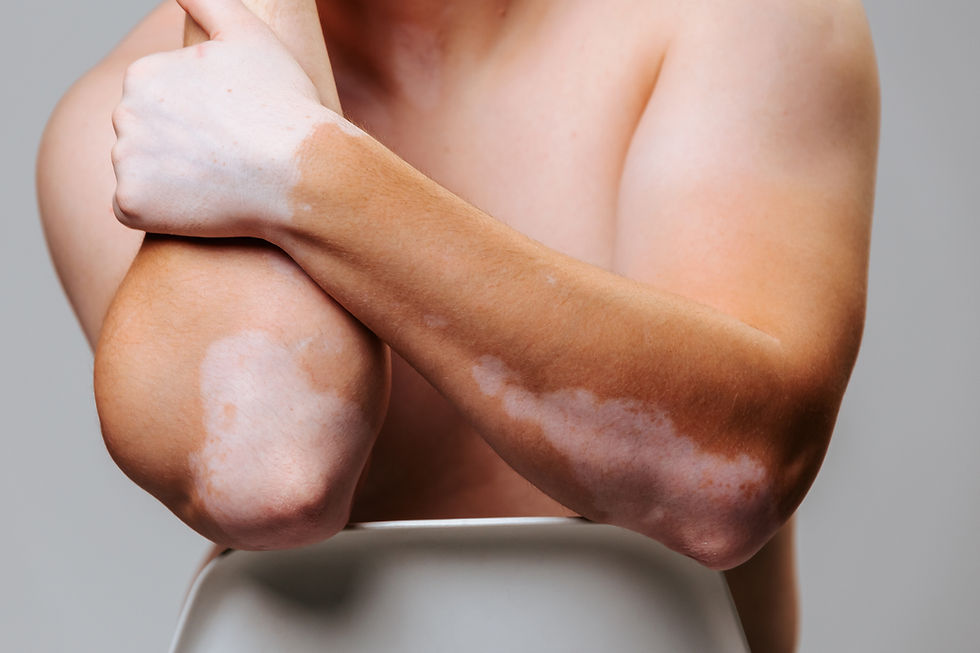
Potential causes include:
Autoimmune conditions such as vitiligo
Inflammatory skin conditions
Injury, burns, or scarring
Certain medical treatments or procedures
In these cases, the issue is not excess pigment, but a lack of pigment production.
How Hypopigmentation Appears
Common signs include:
White or very light patches that contrast with surrounding skin
Lighter areas where the skin experienced trauma or scarring
Areas that do not tan along with the rest of the skin
Because hypopigmentation can resemble other skin conditions, professional evaluation is essential before pursuing treatment.

Why Pigmentation Changes Happen
Pigmentation issues rarely have a single cause. Most develop due to a combination of factors.

Sun Exposure
Ultraviolet radiation stimulates melanin production. Over time, repeated exposure can cause uneven pigment buildup and damage melanocytes, contributing to both hyperpigmentation and hypopigmentation.
Hormonal Changes
Hormones play a major role in pigment regulation. Pregnancy, birth control, and endocrine changes can all increase melanin activity, leading to melasma and persistent discoloration.
Inflammation and Skin Injury
Any form of inflammation can disrupt normal pigment production. Acne, aggressive exfoliation, burns, or improper treatments can all trigger pigment changes as the skin heals.
Genetics

Some people are genetically predisposed to pigment irregularities. Family history influences how melanocytes respond to sun exposure and inflammation.
Protecting Your Skin from Pigmentation Issues

Prevention is one of the most powerful tools in pigmentation management.
Daily Sun Protection
Broad-spectrum sunscreen with SPF 30 or higher is essential every single day. Even short sun exposure can darken existing pigment and undo progress from treatments.
Gentle, Consistent Skincare
Avoid harsh scrubs or aggressive products that inflame the skin. Instead, focus on barrier-supportive routines and gradual brightening.

Professional Guidance
Pigmentation is nuanced. A professional assessment helps determine whether pigment is epidermal, dermal, hormonal, or inflammatory, which directly impacts treatment choice.
Products and Professional Treatments We Recommend
At-Home Support
Targeted skincare can significantly improve tone when used consistently.
Vitamin C antioxidant support
Epionce Intense Defense Serum
Advanced discoloration correction
SkinCeuticals Discoloration Defense
Gentle resurfacing
Revision Triple Action Exfoliator
These products work best when paired with strict sun protection and patience.
In-Spa Treatments
Professional treatments address pigment at deeper levels than skincare alone.
Chemical Peels
Help shed damaged surface layers and encourage new, more even skin growth.
Laser and Light-Based Treatments
Target pigment selectively, breaking it down while preserving surrounding skin.

Microneedling
Stimulates collagen and skin renewal, helping fade hyperpigmentation and improve texture while supporting overall skin health.
Treatment choice depends on pigment type, skin tone, and underlying cause. This is why customization matters.
Bringing It All Together
Pigmentation issues are common, complex, and manageable.
With a combination of daily sun protection, thoughtful skincare, and professionally guided treatments, most people see meaningful improvement in skin tone and clarity.
If discoloration has been bothering you or seems resistant to over-the-counter solutions, a personalized evaluation can make all the difference.
Schedule a skin consultation at Devenir Aesthetics and let us help you create a plan that supports healthier, more even-toned skin.
Your skin tone tells a story. With the right care, it can be one of balance, clarity, and confidence.


Comments